You want to teach abroad in 2025 but are fed up with everyone recommending the same teaching destinations? We’re talking about these countries: Japan, South Korea, and Thailand. These places are fantastic, but to be honest, finding good positions there feels like winning the lottery these days.
The thing is: most rewarding teaching experiences are happening in countries you probably haven’t considered yet. So, we’re here today to enlighten you with some new teaching destinations.
This guide will show you:
- Three beautiful destinations perfect for Australian teachers (and explain why specifically good for Aussies)
- Why do these places offer better opportunities
- Everything you need to know about visas and qualifications
- What your money can buy you there
- Connecting with other teachers and locals
Ready? Let’s explore these hidden gems that could change your teaching career forever.
Teaching Destinations for English Teachers in 2025
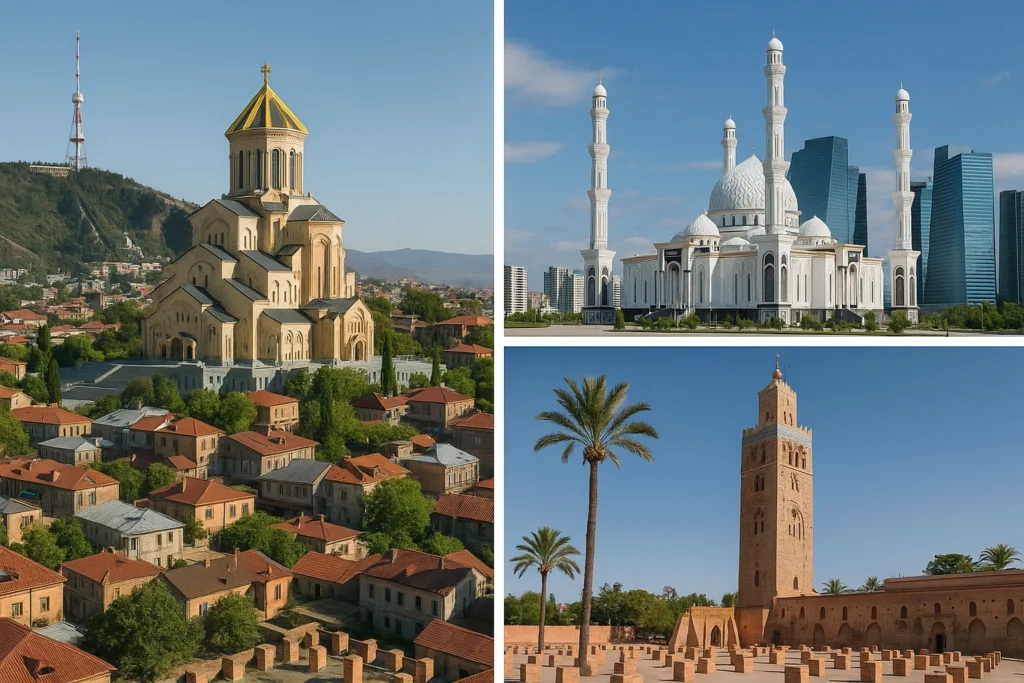
Most teachers choose the same old places like Japan, South Korea, and Thailand. “But Georgia, Kazakhstan, and Morocco offer something better. Unlike crowded destinations, these countries welcome English teachers with open arms.
They’re actively seeking qualified educators like you. Students there often wait months just to learn from someone like you. So, you see, your presence is truly valued in these growing markets.
Georgia: Europe Meets Asia in Perfect Harmony
Georgia is said to sit between Europe and Asia because teachers get to experience a unique mix of cultures there. Currently, English teachers have been in high demand in Georgia, meaning there are more job vacancies than qualified teachers.
This demand indicates you’ll teach students who really want to learn. While you’re there, you can explore their famous wine culture that goes back thousands of years. The thing is, your Australian dollars will buy much more here than in popular teaching countries.
Kazakhstan: The Surprisingly Wealthy Teaching Haven
This Central Asian country might surprise you with its modern cities and competitive teaching salaries. For example, English teachers earn between 150,000 and 300,000 KZT ($320 to $630) per month at public schools, with higher pay at universities and private language schools.
Believe it or not, students here are serious about learning English to advance their careers in oil, tech, and finance.
Morocco: Where Teaching Meets Adventure
Picture this: finish teaching, then explore ancient markets or relax on beaches. Morocco makes this happen. Tourism is growing, so English teaching jobs are too. You’ll teach excited students and live well for less money.
Each place is different. All three countries value foreign teachers and treat them well. What makes these places better than crowded teaching spots?
What Sets These Teaching Spots Apart
So what makes these countries different from the usual suspects? You get to experience a real cultural connection when you teach abroad in 2025, and in lesser-known countries.
What sets these new destinations truly apart from the crowd is:
- Authentic experience: You’ll live like a local, not in an expat area where everyone speaks English. The best part is that there are no tourist traps or overpriced Western restaurants on every corner.
- Genuinely excited students: Being there feels special, not like just another foreign face they see daily.
- Schools that value your input: Administrators listen to your ideas instead of treating you like any other teacher. Believe me, I know how good it feels when your suggestions get heard and implemented.
- Welcoming local cultures: Locals are curious about Australia and eager to share their traditions with you. So, we suggest that you take the initiative to make real friends, not just polite acquaintances.
- Better work-life balance: Less competition means less stress and more time to explore your new home. Such environments make teaching enjoyable again.
Popular teaching destinations are flooded with teachers competing for attention and respect. These countries offer something different. Schools and students appreciate having you there.
Your TEFL Course and Visa Journey Made Simple

The visa process for these destinations won’t give you nightmares like some other countries might. Each of these three places wants English teachers, so the application process is smoother than you’d expect.
First, start with a quality Teaching English as a Foreign Language (TEFL) course. This shows schools you’re serious and opens doors everywhere.
Georgia makes things super easy for Australians with visa-free entry! This means you can sort out work permits after you arrive, which takes so much pressure off.
Now, Kazakhstan works a bit differently. You’ll need your TEFL certification plus a clean criminal record, but here’s the good news: their online system is actually pretty efficient. Most applications get processed within weeks.
Morocco takes a little more planning ahead. We always tell teachers to start their application two months early. Trust us, it saves a lot of stress later on.
The timeline typically runs like this: complete your TEFL training, gather your documents, apply for positions, and then submit visa paperwork once you have a job offer.
Don’t worry about getting overwhelmed. Biography Shelf walks teachers through the whole process, starting with training program selection and ending with document submission. Most of our teachers wrap up the entire process in three to four months.
Pro tip from our experience: Get your criminal background check done first because it takes the longest. The paperwork looks scarier than it truly is, and once you start, you’ll wonder why you waited so long to begin.
Living Costs That’ll Stretch Your Aussie Dollar

Your biggest concern is probably whether you can afford to live comfortably while teaching in these countries. The reality might surprise you. Your Australian dollar goes much further in these destinations than you expect.
In Georgia, teachers can live well without breaking the bank. According to livingcost.org, one person spends on average $324 a month on food. Also, the average price of a one-bedroom apartment in the Tbilisi centre stands at 760 USD, and outside the central area, it’s 500 USD. Even better, local meals cost a few dollars. You’ll find yourself saving money while still enjoying a great quality of life.
Now, if you’re worried about money, Kazakhstan offers even better deals for teachers. The average monthly cost of living in Kazakhstan for an individual is around KZT 252,887, without including the rent (roughly $600 USD). The cost range varies depending on which cities you choose, but even expensive places like Almaty cost much less than Australian cities.
But wait, it gets even better. Morocco gives you the cheapest option of the three countries. The cost of living in Morocco is relatively low ($500 – $1000 a month) for English teachers. Fresh food markets, affordable transportation, and low rent make Morocco perfect for teachers who want to live well without spending much. You’ll find that most places keep living costs low across the country.
A former colleague moved to one of these locations and recently told me she’s living better than she ever did back home. She’s saving money every month while having amazing experiences. Just like her, you’ll genuinely save money each month while enjoying authentic cultural experiences.
Building Your Support Network in Unconventional Places
We understand that building new connections in a new place can be challenging. Don’t worry, we have a hack for this issue. If you try to communicate with the locals of Georgia, Kazakhstan, and Morocco, they will help you break down your misconceptions. It’s because they’re incredibly friendly and welcoming to foreign teachers. Feeling relieved right now, aren’t you?
Now, let’s find out how to start conversations with them:
- Established expat teacher groups: Facebook communities and WhatsApp groups connect English teachers in every major city. You’ll quickly find practical advice and genuine friendships with people who totally get what you’re going through.
- Local language schools: Many schools host social events where you can meet both colleagues and students outside the classroom setting. Staff parties and casual get-togethers often turn into lasting professional friendships.
- Cultural exchange programs: Universities often organise events where locals want to practice English with native speakers like you. You’ll find yourself teaching informally while learning about local customs and traditions.
- Co-working spaces: Digital nomad hubs in cities like Tbilisi and Almaty provide networking opportunities with international professionals. Like-minded people are attracted to these modern spaces, so there is a chance they will understand the expat lifestyle.
- Embassy events: Australian embassies regularly host social gatherings that help you connect with fellow Aussies and local professionals. We recommend you attend these events to meet familiar faces. Also, such settings offer valuable networking opportunities in your new home.
Our experience at Biography Shelf shows that teachers who actively engage with their communities report higher job satisfaction and longer stays. What works best is being open to new experiences and putting yourself out there from day one.
Your Next Chapter Starts with One Application
Even if you are not, I am surely feeling excited about the new possibilities ahead. Georgia, Kazakhstan, and Morocco offer everything you’ve been looking for. From authentic cultural experiences to professional growth opportunities and the chance to make a real difference in students’ lives.
Biography Shelf has been helping Australian teachers find their perfect teaching positions since 2007. We handle everything from matching you with the right schools to guiding you through visa applications and settling into your new home. Our team understands exactly what it takes to make your transition smooth and successful.
Ready to take the first step toward your teaching adventure? Contact Biography Shelf today to discuss your options.
Your students are waiting, and your next chapter begins with just one decision. Don’t let these amazing opportunities pass. Reach out now and discover which destination could change your life.