

Teachers build a life abroad that feels like home by creating daily routines and finding their people. Slowly, unfamiliar spaces start to feel comfortable.
Sounds simple, right? But the teachers’ lifestyle abroad goes far beyond Instagram moments. It takes real effort, patience, and a bit of trial and error over time.
We’ll show you how. Stick around. This guide covers building routines, connecting with the community, and managing the real costs of moving abroad. Think local coffee spots, budgeting basics, and everything in between.
Your first year teaching overseas doesn’t have to feel lonely or confusing. Stay with us. Let’s figure this out together.
What Does Expat Life Really Look Like for Teachers?
Expat life for teachers is a mix of ordinary days and unexpected adventures. You’ll spend most of your time lesson planning, grabbing coffee, and figuring out public transport.
Let’s be real here. The glamorous travel image fades pretty quickly. What stays is a comfortable rhythm of teaching, exploring your city, and settling into local culture.
Teachers in many countries face similar challenges, too. Loneliness creeps in. Culture shock hits harder than expected, and you find yourself missing familiar faces back home.
But over time, you find your people. Local expat meetups help, and so do online communities like InterNations. Colleagues who get it become close friends too. That’s when a new country starts feeling like yours.
And it all begins with building a routine that grounds you.
Building Routine in a New Country
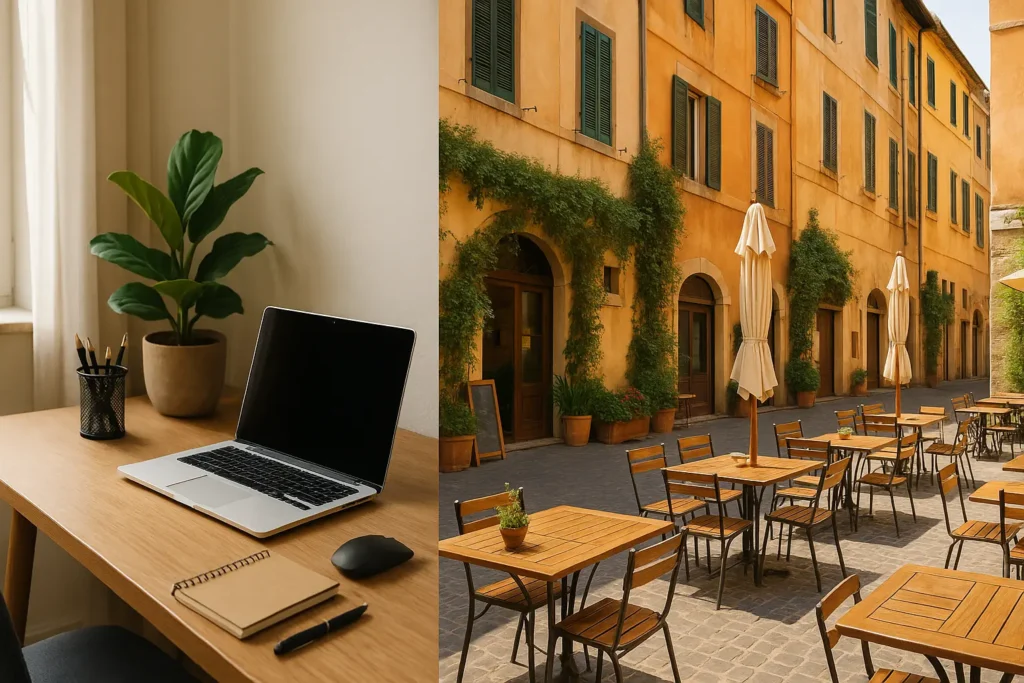
Building a routine early helps everything else fall into place. It’s because a predictable schedule lets you hit the ground running (even when your surroundings still feel unfamiliar).
Two things help most: setting up your workspace and finding local spots you can call your own.
1. Set Up Your Workspace Early
Unpack your teaching materials first, so your professional life feels grounded from day one. Then create a dedicated lesson planning area at home (trust us, lesson planning on your bed gets old fast). Even familiar desk items like photos or a favorite mug make your new space feel less foreign.
2. Find Your Local Spots
In your first week, pick a nearby cafe, gym, or park to call your own. Visit the same spots regularly.
Soon enough, locals start saying hello, remembering your order, and nodding as you walk in. Comfort sneaks up on you that way.
Once your routine feels solid, the next step is finding your people.
Finding Community When Moving Abroad
Moving abroad can feel lonely at first. But finding your people? That part comes faster than most teachers expect.
For starters, expat groups on Facebook are a solid first step. They connect you with other expats who understand your situation. Local language exchange meetups help you break the ice with friendly locals, too.
Through our years of placing teachers overseas, we’ve seen school colleagues become lifelong friends. You share similar schedules, face the same challenges, and naturally bond over time.
Cost of Living: What Teachers Should Expect

Salaries and cost of living vary a lot depending on where you teach. While a few countries let you save big, others offer lifestyle perks instead of hefty paychecks.
The Middle East and Costa Rica are good examples of both.
Middle East Salary Packages
Countries like the UAE and Saudi Arabia often include housing allowances and annual flights home. That means rent is sorted, and you’re not paying out of pocket to visit family each year.
And here’s the kicker. Tax-free salaries mean teachers in the Middle East save far more compared to Western Europe.
Pro Tip: Always read the full contract before signing. What’s included varies from one school to the next.
Costa Rica Lifestyle Costs
Costa Rica keeps costs low with affordable rent, fresh seafood, and cheap street food. However, salaries run lower than in Asian countries. Teachers here typically earn $600-$1,000 per month, compared to $1,700-$3,000 in places like South Korea or Japan, according to Go Overseas.
Based on feedback from teachers we’ve placed, most trade big savings for a slower pace and beaches at their doorstep.
Beyond the budget, staying connected to family and friends back home is the next piece to sort out.
How Do You Stay Connected to Your Home Country?
You stay connected to your home country through regular calls, planned visits, and small reminders of home. Living abroad for a few years changes your relationship with family and friends, but it doesn’t break it.
For example, regular video calls with family and friends keep those bonds strong (time zone math is nobody’s favorite hobby, but it’s worth the effort). Care packages with favorite snacks or hometown treats help ease the tough weeks, too.
And don’t forget to plan annual trips home during school breaks. A plane ticket once a year gives you something to look forward to. While you’re building roots back home, picking up the local language helps you grow roots abroad too.
Language Classes: Are They Worth It When Living Abroad?

Absolutely. Believe it or not, picking up the local language can shift your whole experience.
Here’s why it helps and how to get started.
Benefits of Local Language Learning
Even basic phrases go a long way. Ordering food, catching public transport, and chatting with neighbors all become easier. Locals appreciate the effort, too, and that’s often how real friendships start. Also, it makes you far less dependent on English-speaking expat circles.
Language Exchange Communities
Many cities host free language exchange events where locals want to practice English with you. Plus, these meetups are social hangouts too. No pressure, just casual conversation and new phrases picked up naturally.
And if you want to prepare ahead of time, language learning apps like Duolingo help you learn the ropes before you even land.
Once you’ve got the language basics down, everything else starts clicking into place.
Your Next Chapter Starts Here
Moving abroad as a teacher brings real challenges. New surroundings, unfamiliar faces, and a different culture can shake anyone’s confidence at first.
But here’s the good part. Teachers around the world turn these exact challenges into rewarding experiences every single day, and you can too.
We’ve covered building routines, finding community, managing costs, staying connected to home, and learning the local language. Each step brings you closer to feeling settled. These are the building blocks of a fulfilling expat life.
Take the first step today. Our team at Biography Shelf will guide you through every detail you need to land your ideal teaching position overseas.