
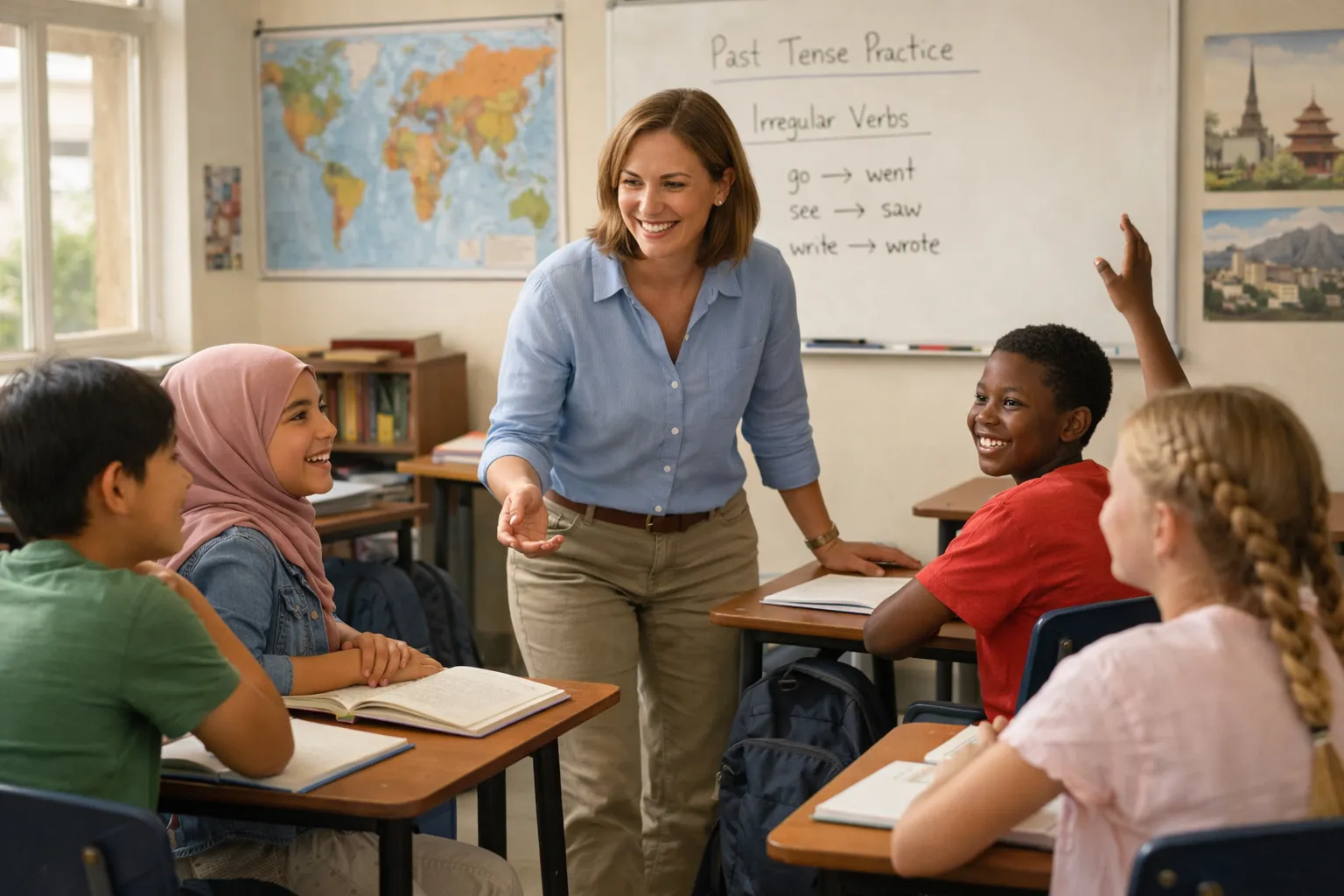
Are you looking for the qualities that can make you a successful teacher in international schools? Well, if your answer is “Yes”, then you’re in the right place.
We understand that moving to a foreign country to teach requires a unique mix of abilities beyond what you learned in your training. So, you should bring certain qualities like adapting to new education systems, connecting with diverse students, and handling unexpected challenges.
This guide covers those essential traits that distinguish successful international teachers from strugglers. Plus, you’ll learn which teaching skills transfer well, what personal qualities are significant, and how to build the connections that make teaching abroad rewarding.
So, let’s get into what truly works.
Why Teaching Abroad Demands More Than Classroom Skills

Teaching abroad demands more than classroom skills because it tests your ability to adapt to new systems, cultures, and everyday challenges.
Now, you might be wondering how this plays out in real international schools. Well, let’s have a look at it.
Adaptability in International Schools
International school teachers work with varied curricula, like IB or British systems, that you’ll need to learn quickly. Besides the curriculum, the teaching methods also vary. For example, a method that worked perfectly in Australia might not align with what your new school expects.
Most of the time, term schedules and holiday patterns also change depending on the country you’re teaching in. (Some schools run August to June, others follow the local calendar, which can feel strange at first!)
These variations often stem from differences in school resources and access to technology across regions.
Drawing from Biography Shelf’s experience placing teachers since 2007, we’ve seen that adaptability is what allows teachers to thrive in such a dynamic environment.
Cultural Awareness Beyond the Lesson Plans
You’ll eventually notice that student behaviour and classroom expectations shift based on local customs and educational standards. That’s why what counts as respectful participation in one culture might look completely different in another.
Plus, parent communication styles vary widely, so you’ll need sensitivity to cultural norms and hierarchy from the start.
For instance, in some Asian countries, parents expect formal weekly updates about student performance. But in European international schools, the approach tends to be more relaxed.
So, when you pay attention to these differences, it shows an effort to connect beyond classroom teaching.
Openness to Different Teaching Methods
Collaborative learning doesn’t always work the same since students come from diverse cultural backgrounds with hierarchical education systems. For this reason, the group of work strategies you loved to use at home might need serious adjustments now.
Meanwhile, your tried-and-true assessment rubrics might not align with local grading standards either. It’s because some international schools favour continuous assessment over final exams, which requires rethinking your entire teaching style.
Beyond these, teacher autonomy also varies here, with some schools micromanaging lesson plans while others give complete freedom. In such a situation, being open to these differences keeps you sane and effective.
Core Teaching Skills That Transfer Overseas
The best part about strong teaching skills is that they work anywhere once you adjust them to local contexts. It also makes you well-prepared for engaging lessons.
Here are the specific skills that drive you toward effective teaching all over the world:
Effective Communication with Diverse Students
Clear pronunciation and slower speech help non-native English language speakers grasp new concepts better when you’re teaching English abroad. Here, your goal is clarity, not oversimplification. This approach shows your students the thought and care behind the lesson content.
After delivering a lesson, let your students answer questions about the topic. It clarifies whether students actually comprehend what you’ve taught. But don’t assume their nodding heads mean they get it. Instead, ask students to explain concepts back to you or show their work.
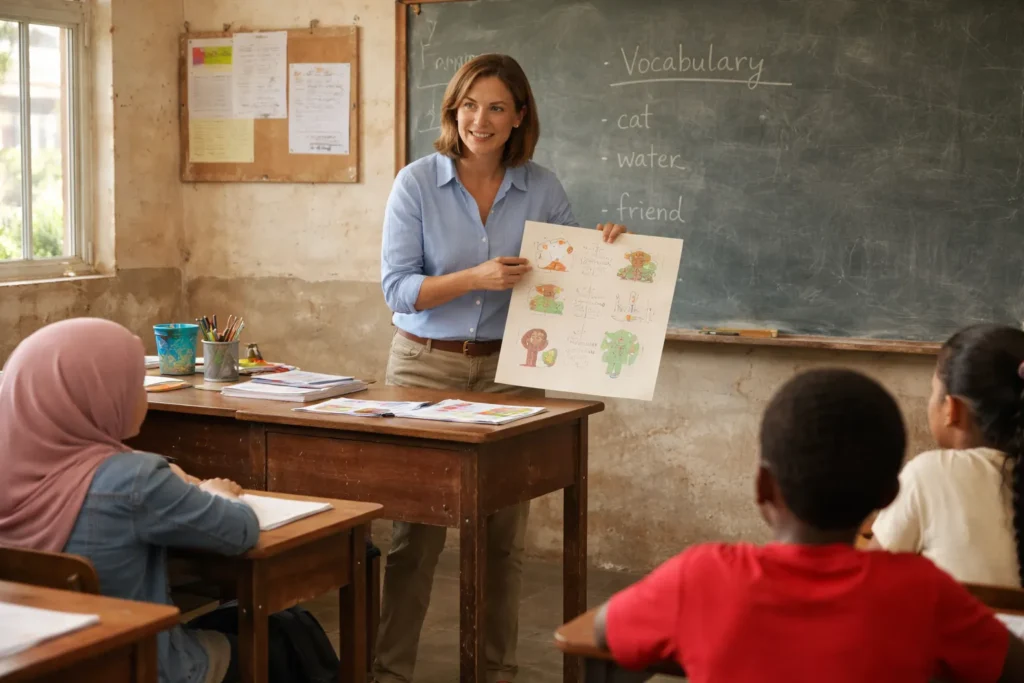
Pro tip: For convenience, you can use visual aids and gestures to bridge language gaps, particularly for beginners in your classroom.
Problem Solving in Unfamiliar Environments
Limited resources mean creating lesson plans with basic materials or improvising on the spot. Let’s be honest. You won’t always have a smartboard or reliable electricity. On top of that, language barriers with local staff often require creative workarounds just to keep daily school operations running.
So, when you carefully plan a science experiment that needs supplies that don’t exist locally, you have to learn to substitute materials or redesign lessons entirely.
That’s how unexpected schedule changes or cultural misunderstandings test your problem-solving abilities constantly during overseas teaching.
Classroom Management Across Cultures
Classroom discipline expectations change across school systems and regions. Techniques commonly used in Australian classrooms can confuse international settings. Plus, a method that works in Melbourne may not translate well in Shanghai (something we have seen repeatedly).
That’s how, in international schools, authority depends on shared expectations among teachers from different backgrounds.
In this situation, effective classroom management will help you to read the room and adjust your approach.
Personal Traits of Successful International Teachers
What allows some teachers abroad to succeed while others don’t last long? The answer often lies in specific personal qualities that help international teachers navigate life in a foreign country.
Let’s learn what actually keeps you up when you’re teaching abroad.
Patience When Teaching English Abroad
Students who are learning English naturally need repetition and multiple explanations without showing frustration. Remember, it’s a part of your job when you’re working with learners at different levels.
Generally, administrative processes overseas move slower so you’ll need tolerance for bureaucratic delays (visa paperwork can take months in some countries).
We understand that building trust with hesitant students takes time, especially when they’re nervous about making mistakes. But the international teachers who succeed don’t take it personally. They create a safe learning environment where students feel comfortable when trying.
Flexibility in Lesson Planning and Execution
Power outages or internet failures force you to throw away your digital lesson plans entirely. So, last-minute changes aren’t the exception overseas. Instead, they’re the norm (frequent power outages happen in developing countries monthly).
Sometimes, student skill levels within one class vary dramatically, so differentiated teaching becomes essential here. That’s why having backup activities and multiple teaching methods ready saves your day. Besides, if you have time management skills, you can adjust on the fly without losing your cool.
Resilience During Transitions
Here’s the uncomfortable truth: navigating visa issues and housing problems tests your ability to stay calm under pressure in a foreign country. Over time, your ability to overcome challenges becomes your superpower.
We know professional development opportunities help in such situations, but honestly, most teachers working abroad learn resilience through experience.
At times, financial surprises from currency fluctuations or unexpected costs also demand wise budgeting adjustments.
Remember: Your career path won’t always be smooth, but bouncing back from setbacks shows you’re cut out for this life. And most importantly, always maintain a work-life balance.
Building Connections as an Overseas Teacher
The relationships you build abroad often become the highlight of your entire teaching experience.
Here’s where those connections usually help you:
- Local Teaching Staff: Strong relationships with fellow educators provide cultural insights and practical advice you won’t get elsewhere. These teachers working alongside you understand the specific challenges of your school and know which teaching strategies truly work with your student population.
- International School Teacher Communities: Believe it or not, these connections often outlast your teaching contract. It’s because international school teachers form tight communities that offer friendship and professional development support when you’re navigating life in a foreign country.
- Student Relationships Beyond Academics: Through our work with teachers across 15 countries, we’ve seen that educators who spend time supporting students beyond the classroom report the highest job satisfaction. This way, engaging with learners creates a positive classroom environment where student learning thrives.
- Parent Partnerships: Once you’ve built trust with parents in your international school community, your job becomes easier. They support your teaching methods and help your students progress in the world of diverse cultures.
Verdict: The connections you make in an international school often define your experience more than the actual teaching does.

Creating Productive Learning Environments Overseas
The classroom environment you create directly impacts how well students learn and engage.
Now, let’s have a look at the core elements that work across different international schools:
Element | What It Looks Like | Impact on Students |
Physical setup | Flexible seating arrangements that accommodate different learning styles | Students from diverse cultures adapt better when layouts feel comfortable |
Emotional safety | A positive learning environment where mistakes become learning opportunities | Encouraging students to take risks boosts engagement and student learning |
Structured routines | Clear expectations that work across cultural differences | Creates a productive learning environment even when teaching methods vary |
Bottom line: A safe learning environment helps learners thrive regardless of their background or where you’re teaching in the world.
Your Path Forward: Ready to Teach Internationally?
Teaching abroad rewards teachers who bring more than just classroom expertise. The overseas teacher traits covered here (adaptability, patience, communication skills, and relationship-building) separate successful international teachers from those who struggle in a foreign country.
Your career path doesn’t require perfection in every area. Most teachers working overseas develop these qualities through experience over time.
Ready to explore teaching positions around the world? Biography Shelf connects Australian certified teachers with international schools in 15 countries across Europe, Asia, Latin America, and the Middle East. We also handle the entire placement process so you can focus on preparing for your new life teaching abroad.