

Are you planning to teach overseas? In that case, I hope you aren’t forgetting your health and well-being. After all, maintaining a teacher’s health abroad is as important as having the right qualifications. Most educators spend weeks perfecting their CV and overlook the medical preparation.
So, here’s our advice: start your health foundation in Australia six months before departure. Schedule that overdue dental check-up, update your vaccinations, and gather copies of prescriptions and medical records. This timeline gives you breathing room to handle any surprises that come up.
Remember, preventing health issues at home costs far less than treating them overseas. The financial difference alone makes this preparation worthwhile.
Of course, preparation is just the first step. Stick with us to discover everything you need to know about staying healthy while teaching abroad.
Decoding Foreign Healthcare Systems

We’ve all felt that anxiety of what will happen if you get sick abroad. That worry isn’t unfounded either. Healthcare systems vary wildly from one place to another, and what you’re used to in Australia might be completely different overseas. The payment methods, quality standards, and costs can catch you off guard if you haven’t done your homework.
Following these three essential steps will save you from healthcare headaches (trust us, you don’t want to learn this the hard way):
Research Medical Facilities Before You Go
Not all hospitals are created equal. Private healthcare facilities often provide better service for expats, while public systems might have longer waits but lower costs. It’s always best to look up reviews from other Australian expats and check which facilities have English-speaking staff. Abide by this pro tip: bookmark the addresses on your phone so you won’t want to be googling hospitals when you’re feeling crook.
How Payment Systems Work
Some countries prefer payment up front, while others bill insurance directly. So, before your trip, make sure you find out if your destination prefers cash, cards, or has specific requirements for foreign patients. Because this small step can prevent awkward moments when you’re already feeling unwell.
Medical Tourism: A Hidden Benefit
Many teaching destinations offer excellent healthcare at lower costs than in Australia. A dental cleaning in Costa Rica might cost half what you’d pay in Melbourne. Some teachers even plan routine procedures during school holidays to take advantage of these savings.
These basics will put you ahead of most expats who only learn about healthcare when they need it most.
Mental Health Strategies
If you’re feeling overwhelmed abroad, the best mental health strategies are joining online expat teacher groups, using stress management apps like Headspace or Calm, maintaining regular check-ins with family back home, and building local friendships. Research shows that EFL teachers commonly experience stress and burnout due to the demanding nature of their work environment, making proactive wellness planning even more important.
Some teachers struggle with loneliness, while others feel anxious about their teaching performance in an unfamiliar system. Even local culture differences that seemed charming at first might start feeling frustrating after a few months.
Let’s cover these strategies in more depth:
- Expat teacher groups: Facebook groups like “Teachers in Thailand” offer genuine support from people in your exact situation. Understanding classroom stress comes naturally when everyone faces the same challenges. (35 words)
- Stress management apps: When anxiety hits at 3am in your new apartment, apps like Headspace become lifesavers. Alongside that, teacher-specific programs work well because education professionals face unique workplace pressures and scheduling demands.
- Family video calls: Weekly Skype sessions with family keep you grounded back home. However, don’t rely on home connections for daily emotional support. Local relationships handle day-to-day challenges much better.
- Local friendships: Relationships with local teachers beat connections with other expats hands down. Local colleagues understand school culture better. Plus, most won’t pack up and leave when contracts end suddenly.
Most importantly, recognise the warning signs early. For instance, persistent sleep problems, loss of appetite, or feeling disconnected from your students usually mean it’s time to seek professional support.
Remember, taking care of your mental wellness isn’t optional when you’re living overseas. It’s part of being a successful teacher abroad.
Managing Ongoing Health Conditions Away From Home
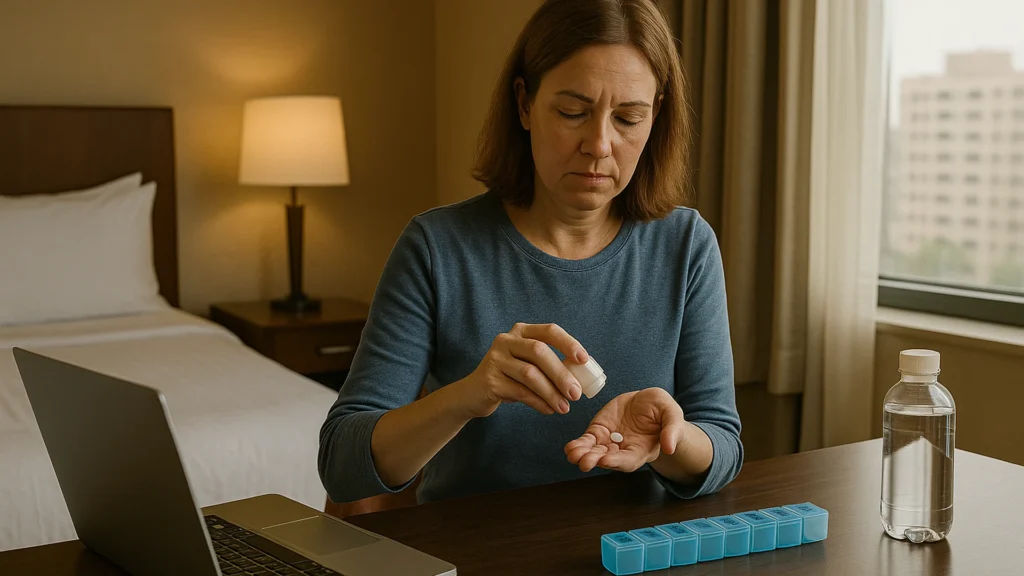
Chronic health conditions don’t have to stop you from teaching abroad. You just need better planning than most others. The reality is that managing conditions like diabetes, asthma, or heart problems overseas requires more preparation, but thousands of teachers do this successfully every year.
Your success depends on these essential tips:
- Stock up on medications before you leave: Pack at least six months’ worth in original containers, along with prescriptions that include generic drug names. Why? Because different countries often stock different brands than what you’re used to in Australia. So, having your own supply prevents treatment gaps.
- Specialist care doesn’t have to be a mystery: Research English-speaking doctors who treat your condition before you even book your flight. For example, Bumrungrad International Hospital in Bangkok has an online directory where you can browse specialists by condition and language. Finding quality care becomes much easier when you’re not doing it during a health crisis.
- Your medical history travels with you: Though many people carry hard copies of their prescriptions, having a digital copy is safest nowadays. We recommend that you store copies of your test results, treatment plans, and medical records in cloud storage so new doctors can understand your case much faster.
With proper preparation, your chronic condition becomes just another part of your teaching adventure, not a roadblock to it.
Which Health Insurance Options are Available Abroad?
You know what catches most Aussie teachers off guard? Medicare benefits cover practically nothing once you leave Australian soil. Your regular health insurance back home won’t help much either when you’re dealing with medical costs overseas. The gap between what you expect and what you get can leave you with huge bills.
Here’s how your coverage options work:
- Medicare only helps in certain countries: You get some emergency coverage in places like the UK and New Zealand. But you’ll still pay big gap payments even there.
- Australian private health insurance has limits: Most policies give you minimal access overseas. From our experience, they usually only cover emergencies like ambulance rides, emergency surgery, or accident treatment.
- International health insurance fills the gaps: Such plans cover your routine doctor visits, specialist appointments, prescription medicines, and even dental care. Unlike Australian policies, international coverage is built specifically for people who live abroad long-term.
- Travel insurance suits shorter contracts: Teaching in Thailand for six months? Travel insurance can cover medical emergencies and get you back to Australia if something serious happens.
When you’ve got proper health cover sorted, you can concentrate on what you love most about teaching overseas.
Dental Care Abroad: What You Need to Know
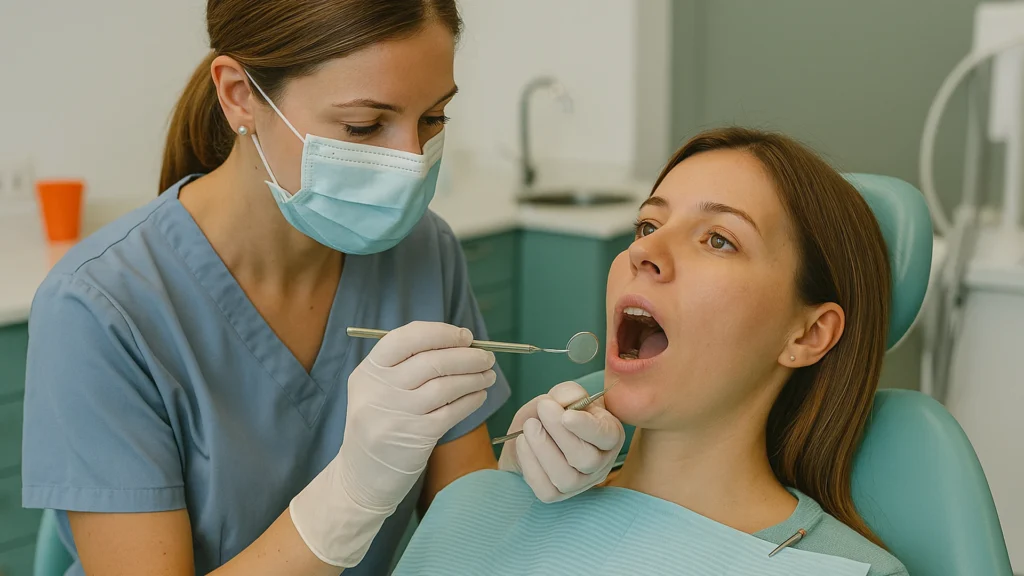
You’re probably already aware that dental care abroad is much cheaper than in Australia (where isn’t?) Most teachers don’t think about dental care until they’re lying in a foreign dentist’s chair, wondering how much this will set them back.
You need to keep this in mind: dental expenses rarely get covered by travel insurance or basic international health plans.
The positive side? Many teaching destinations offer excellent dental care at much lower costs than in Australia.
The countries I am referring to are Thailand, Vietnam, and Costa Rica. They have built solid reputations as dental tourism hubs. Many clinics in these countries cater specifically to English-speaking expats and maintain high standards.
You can avoid panic moments simply by preparing beforehand, by which we mean do your research on dental clinics in your destination city before you need them. Read reviews from other Australian teachers and save contact details for highly-rated practices. This gives you quick access to quality care when emergencies happen.
Some teachers even plan routine cleanings during school holidays to take advantage of these savings. With dental care crossed off the list, let’s dive into the action plan.
Your Ongoing Wellness Action Plan
Now that we’ve covered the groundwork, let’s talk about making wellness a natural part of your teaching adventure abroad. Your healthcare needs don’t disappear once you reach your destination. They change and adapt as you settle into your new life and routine.
Here’s your monthly wellness action plan:
- Check in with yourself about mental health, fitness, and medical needs
- Always keep phone notes about adapting to local food, climate, and stress levels
- We strongly advise you to join expat teacher communities that understand wellness challenges abroad
Remember that taking care of your well-being makes you a better teacher. When you feel confident about your health preparations, you can focus on what you love most about teaching.
Ready to begin your teaching adventure? Biography Shelf has been connecting certified Australian teachers with quality schools worldwide since 2007. We’ll help you find the ideal overseas position.